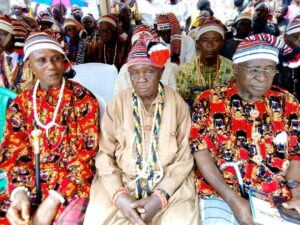
 Traditional Ohafia dressing is a powerful expression of identity, dignity, age, status and cultural pride. Clothing becomes particularly important during festivals, traditional ceremonies, community meetings and other occasions where people consciously display their heritage.
For men, traditional ceremonial dressing may include the Isi Agu or other richly patterned traditional attire, wrappers, caps and accessories appropriate to the occasion. The distinctive Ohafia warrior tradition also gives particular significance to traditional symbols associated with courage and strength.
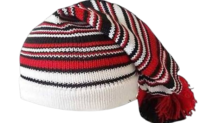
One of the most recognisable symbols is the Okpu Agu, the traditional leopard-patterned cap associated with Ohafia’s celebrated warrior heritage. The leopard represents qualities such as courage, strength, fearlessness and authority. The Okpu Agu is therefore more than a piece of clothing; it is a cultural symbol that connects contemporary Ohafia people with the history and reputation of their ancestors.
The traditional warrior ensemble may also incorporate the matchet and other symbolic accessories, particularly during cultural displays and commemorative events. These should be understood within their historical and ceremonial context as representations of the warrior heritage and courage of the Ohafia people.
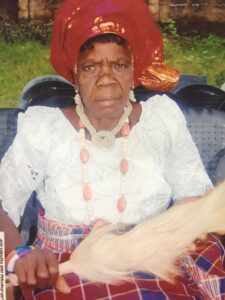 Women’s traditional dressing is equally rich and expressive. Depending on the occasion, women may wear wrappers, blouses, head ties, beads, coral accessories and other traditional adornments. The colours, fabrics and arrangement of these garments can reflect the formality of an occasion, family traditions, age and individual taste.
Traditional beads and ornaments are especially significant during marriages, festivals, title ceremonies and other important cultural events. They add beauty and dignity to traditional attire while contributing to the visual richness of Ohafia celebrations